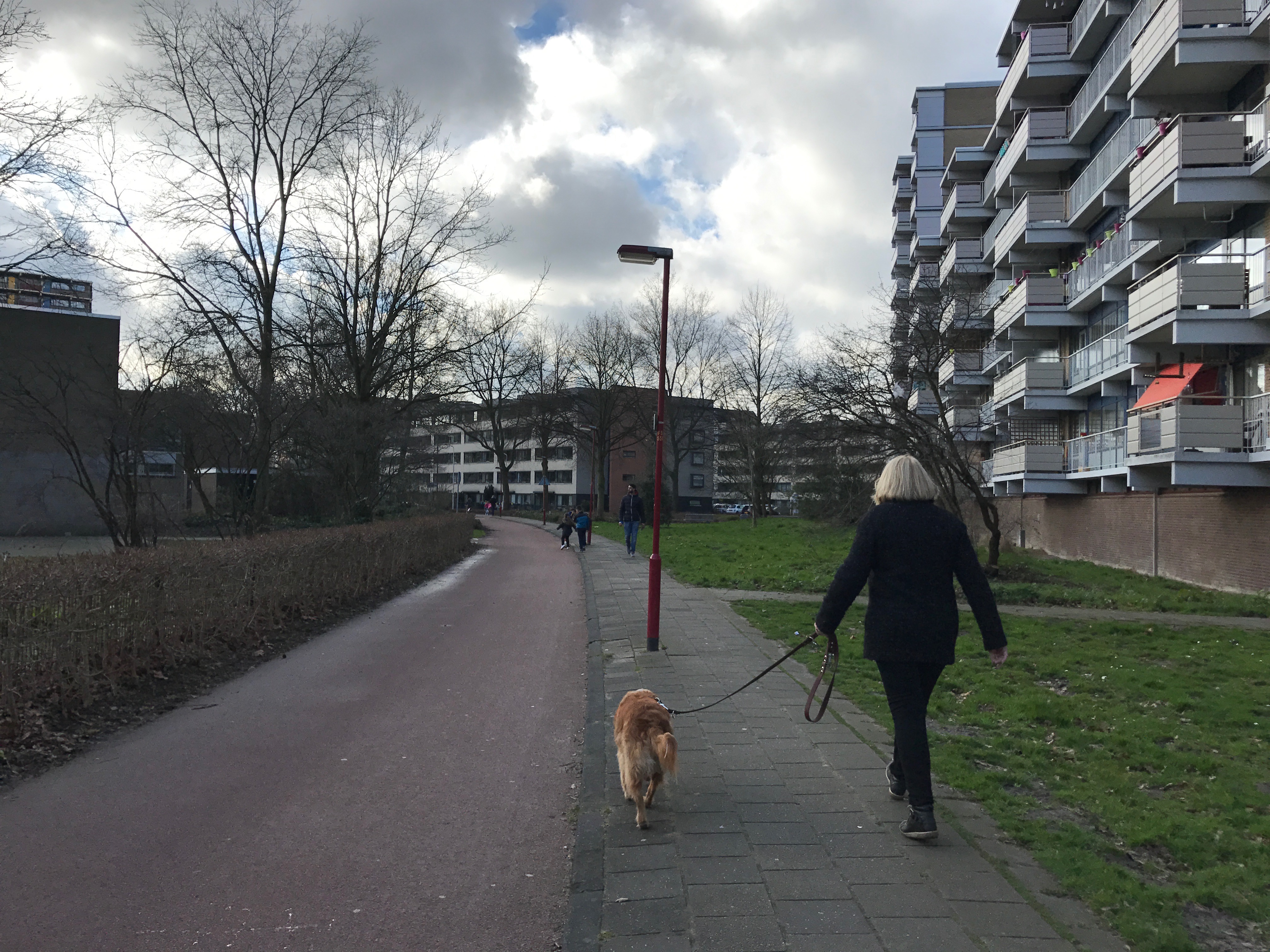
One of the crucial steps for the analysis in Meerzicht is to find validation trough available datasets. The questions on Hangouderen and Hangjongeren which were presented by Zoetermeer municipality lead to findings on lack of social cohesion and sense of ownership in the neighbourhood.
During the visual research and spatial analysis, a number of indications have been found that provided a further understanding on the social cohesion in Meerzicht. From the data perspective, these indications will be used as proxies, which means that we will look for clues in datasets that can signify our observations.
On the other hand, it is also very interesting to find indications that give a further understanding on the ownership of the residents in Meerzicht. In other words, the challenge of Meerzicht Data Analysis will be to represent the lack of ownership in datasets.
In order to select the right datasets, first the most common activities that people come together in the outdoor spaces have been identified. These activities are: Spending time near the entrances (Standing Spots), arriving to the Winkelcentrum (Traffic), Disposing Trash, Dog Walking. Along with these activities, it would also be interesting to gather information on the well-being of the residents. This would have a meaning especially in the Savelsbos housing building.
The municipality of Zoetermeer has a lot of information on the data side, but for this analysis it would be more interesting to look for datasets that present the potential for rhythm identification. As an example, there are many registered complaints, but this information will not present any type of pattern, but more of an indication about the situation. In the case of Meerzicht, Zoetermeer, it is interesting to talk about ownership, and back this question up with data.
Below you will find a list of the datasets that have been selected for this analysis.
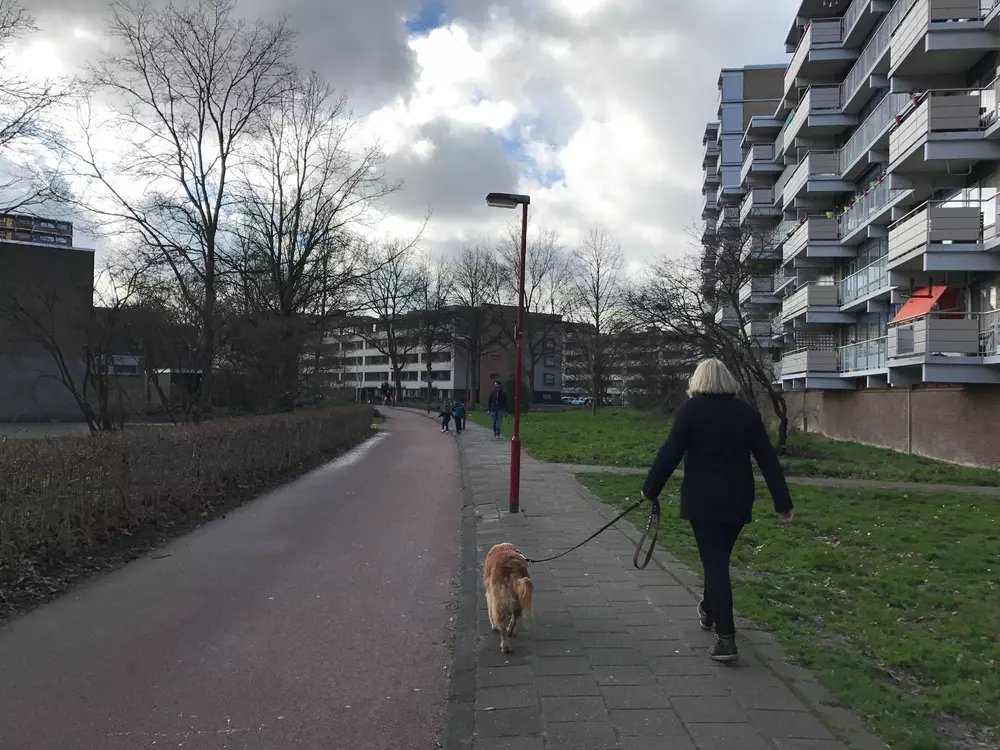
- Data on dog poop
- Data on registered dog owners
- Rules on dogs
- Hondenuitlaatkaart
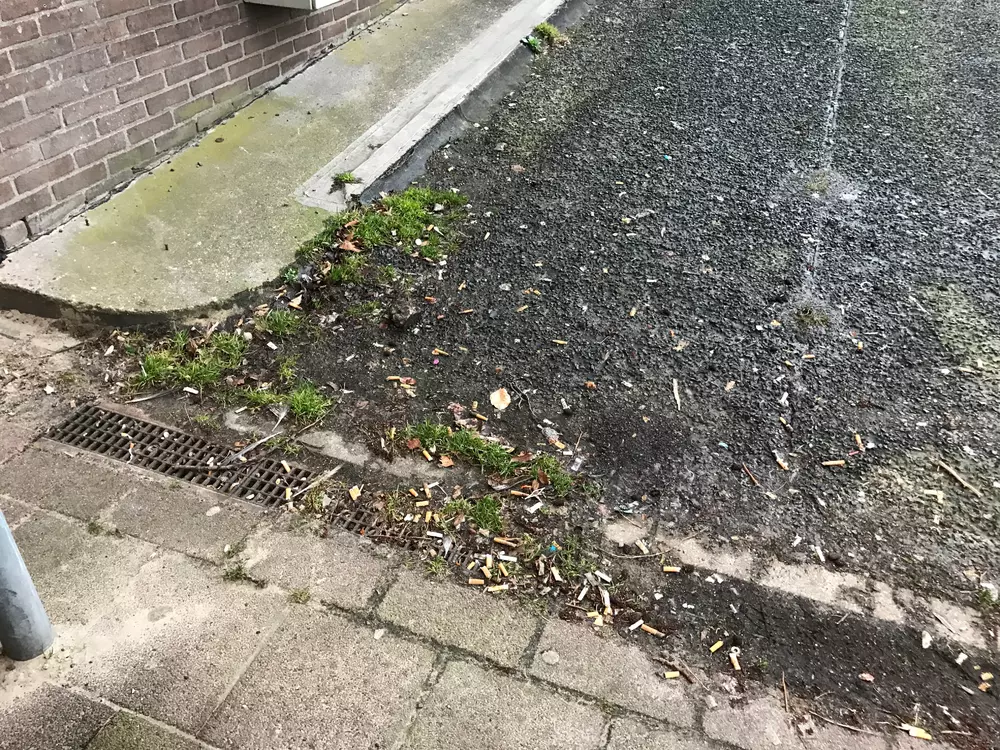
2- Standing Spots: When people spend their time outside, they either smoke or drink something near the entrances of the Winkelcentrum.
- Data on trash like cigarette trash
- Plastik Blink Drankkartons
- Glas op Straat
- Cleaning Data
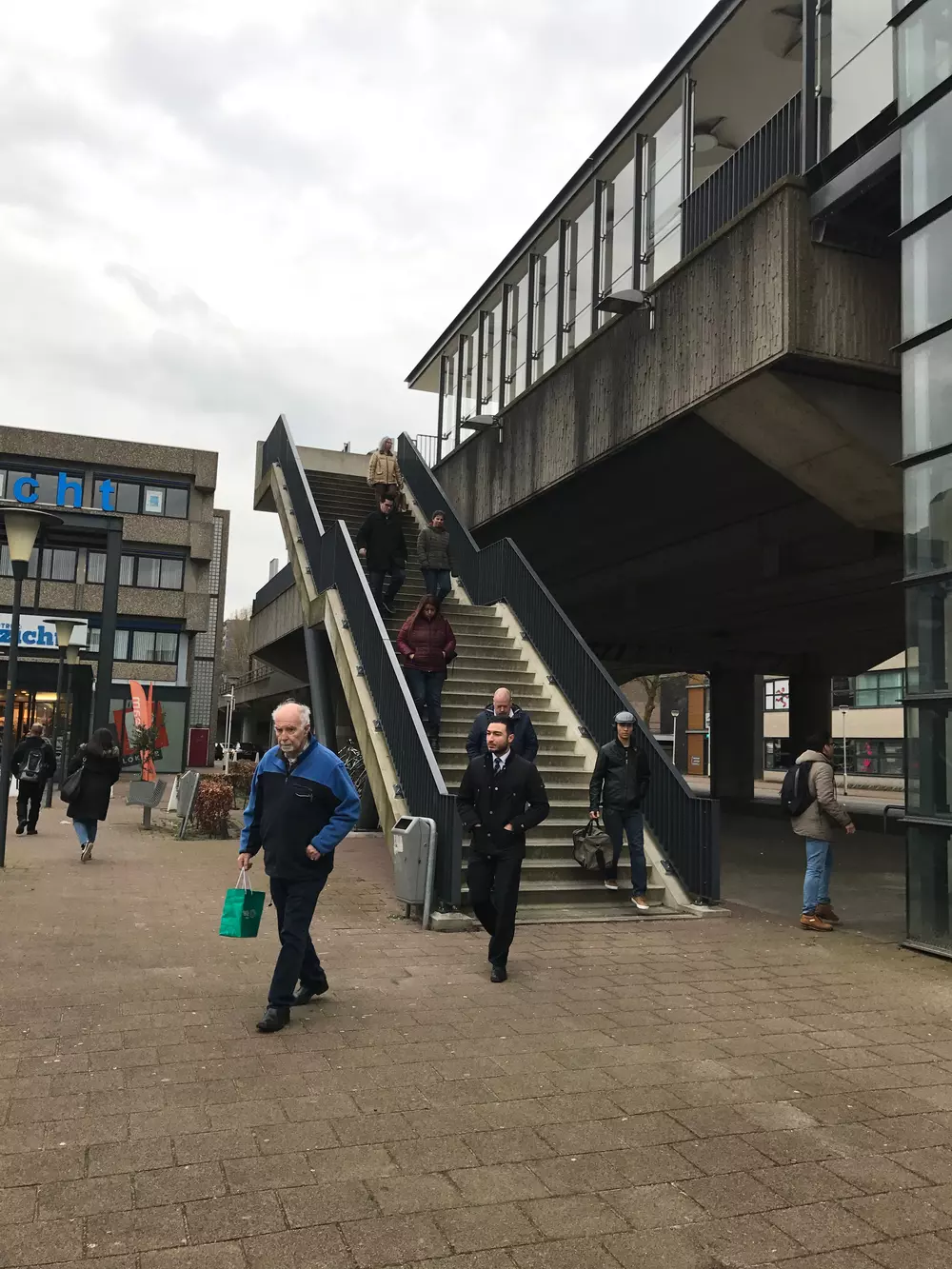
3- Traffic: The activities which take place in the surroundings of the Winkelcentrum are mostly dedicated to mobility; the visitors arrive by car, bike, on foot or via public transport.
- Meldingen about wrong car parking
- Meldingen about bikes
- Flitsmeister
- Public transportation schedule
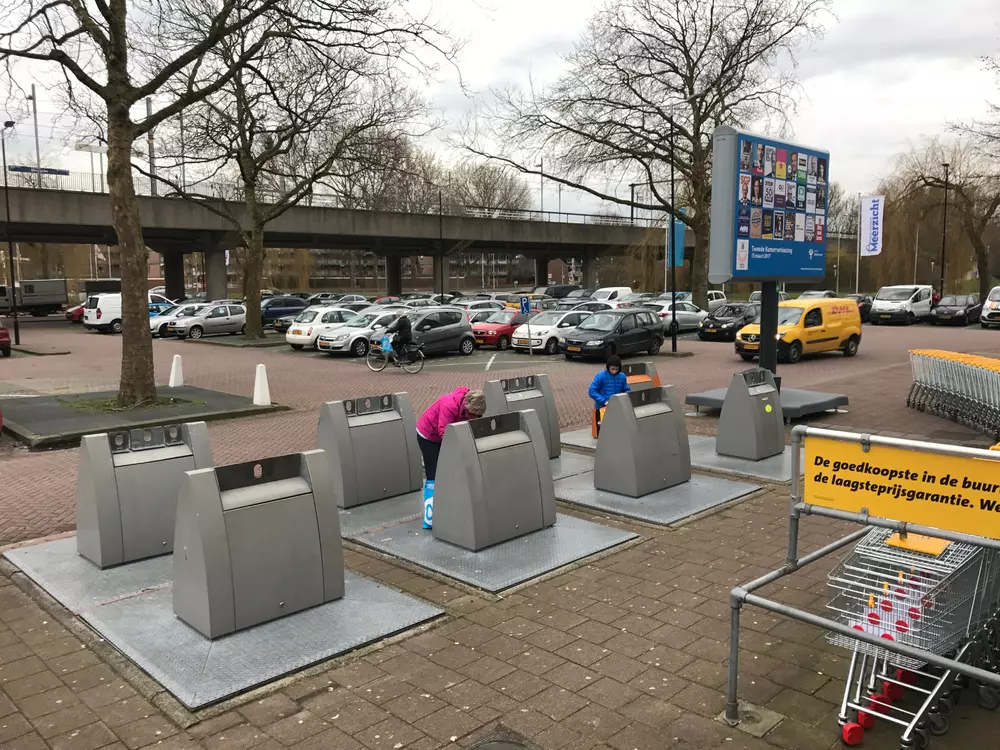
4- Disposing Trash: People go to the Winkelcentrum to throw their trash, or meet with each other in the areas where they are dropping their trash.
- Documented trash with trash card
- Information on emptying the trash bins (the more frequent emptying will show which one people prefer to go)
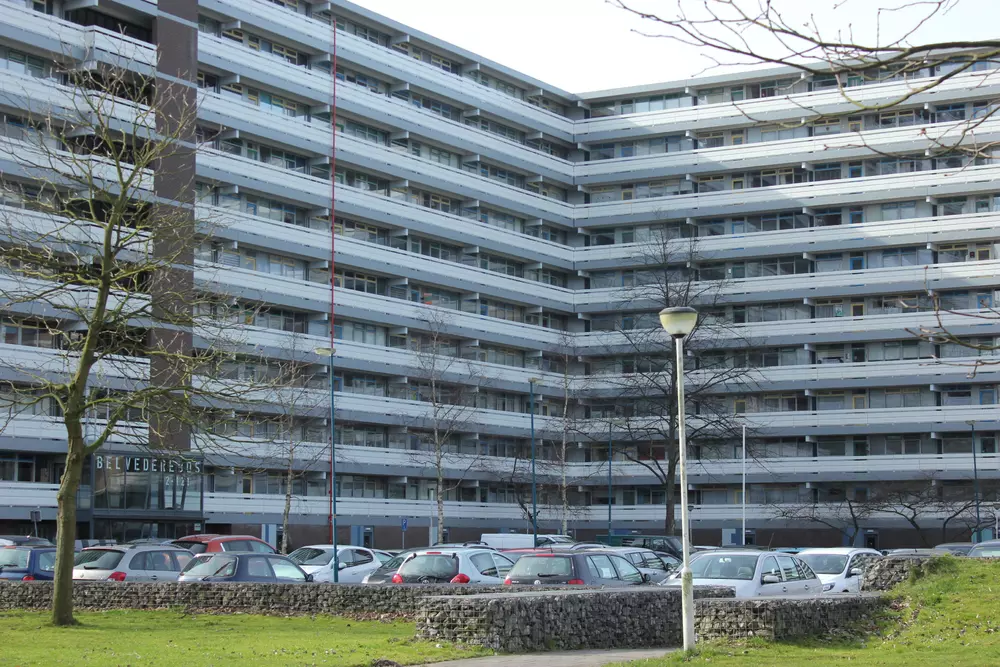
5- Well being: The economic and family situation of the people who live in an area gives an indication on people’s behaviour in common spaces.
- Open CBS Data on income
- Data on density
- Data on demographics
In the data analysis, it is unfortunately not possible to reach a certain granularity that will indicate the difference between the two different weeks in which the analysis has been carried out. However, it can tell us about the social cohesion patterns and how they have been shaped through time. In fact, one of the most interesting expected outcomes of this analysis is the comparison between findings throughout the years. These findings can be good indications on how common life in Meerzicht has been shaped through time.
For now, only a collection of available data has been established in the data analysis. In the next stage, we will be working on identifying patterns in the datasets.


