Quality of Deeds
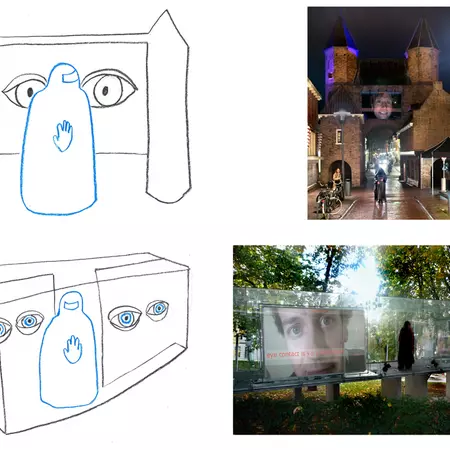
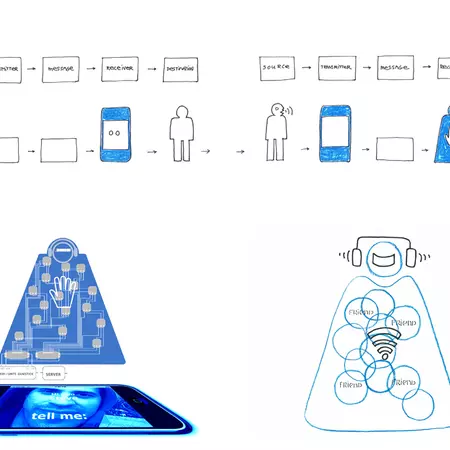
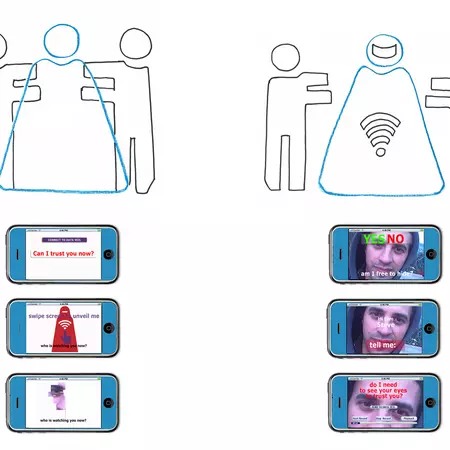
To be able to act grants human beings with the sense of agency; to be able to influence what happens next. When having the possibility to act, human beings can accept responsibility. When there is no possibility to act, people take a moral distance towards others and even to their own self. Mediated presence is defined by interactions and transactions. One can find significant information and have significant communication. Many transactions can be done online. However, deeds that are done in physical presence have more psychological and ethical impact. When establsihing trust in communication processes in which on- and offline realities play a role, human beings need to balance the quality of deeds they are involved in to be able to maintain their centered sense of self. Pushing a button or giving someone a cup of tea have a distinct quality and effect as result.
-
Article
Sharing Rhythm is required for witnessing to take place
The spatial dimension is physical embodiment, but in the online environment we’re disembodied, time…
-
Article
Rhythm essential for well being
One of the great people working on synchrony was Condon. Working in psychiatry, he understood the…
-
Article
Entrainment and Rhythm
The notion of entrainment refers to how two clocks become synchronized when their pendulums swing…
-
Article
Embodiment of space
There is something in the space between our bodies that you can sense and feel how another person…
-
Article
Flow, to be able to move with others, is a survival skill.
Skills for being in flow, irrespective of cultures, are learned from the moment you’re born through…
-
ART
Witnessing motivation
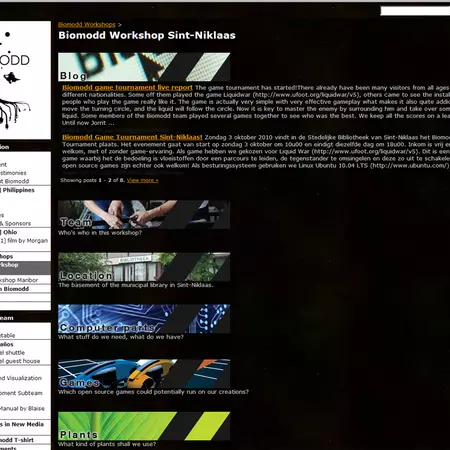
Both my own witnessing and the witnessing by peer participants seemed to have a clear impact on the…
-
ART
Witnessing collaboration
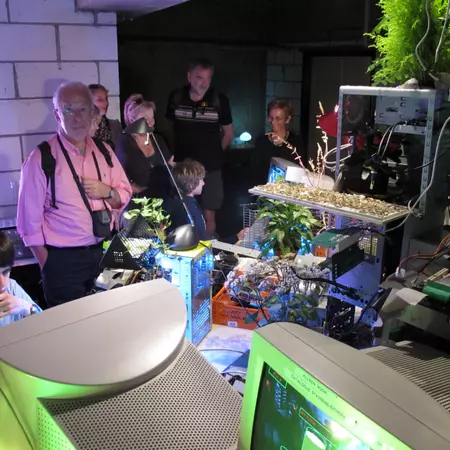
This particular workshop was in effect the first try-out of the Biomodd Workshop format. The two…
-
ART
Why is glass transparent?

Professor Philip Moriarty, University of Nottingham, is shedding light on the difference between…
-
ART
Main glass ingredients: sand / soda / limestone
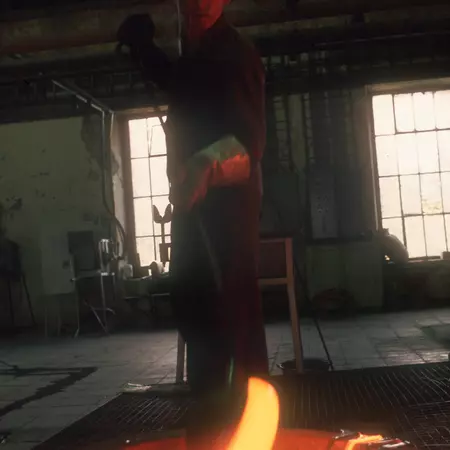
70% Silica (sand) SiO2 , 18% Sodium oxide (soda ash) Na2O, 12% Calcium carbonate (lime) CaO melted…
-
ART
Interpreted transparency: Do you see what I see?
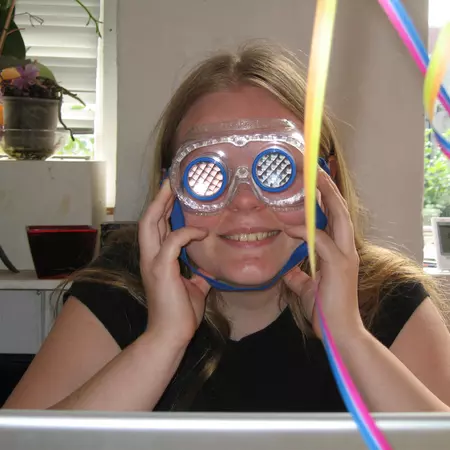
My fascination with glass started, at the age of eight, when I got my first pair of glasses. What a…
-
ART
10. What Presence?
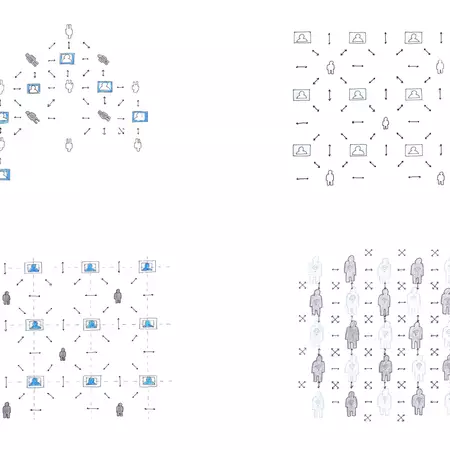
A ritual for an absent body. - Our tangible bodies are increasingly absent in physical space while…
-
ART
9. What Time Zone?
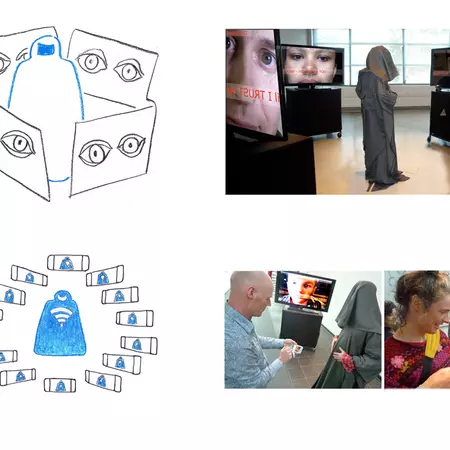
How does my body feel in an online 24/7 economy, in which day and night, future and past, merge in…
-
ART
7. What Privacy?
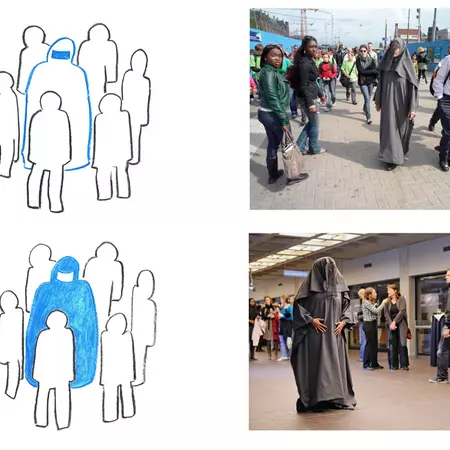
Reactions of participants: At the touching moment that their faces are unveiled into the light, and…